



The truth is, owning the right skincare ingredients (Vitamin C, Peptides, Retinol, and SPF) is only half the commitment in achieving visibly firmer, more lifted skin; knowing how to layer them, and consistent application is when a real transformation can happen.
Many skincare experts describe skin as operating on a natural 24-hour rhythm. Your skin spends the daylight hours in “protection mode” and the nighttime hours in “repair mode.” To truly encourage visibly firm, lifted skin, you need a skincare routine that syncs your morning and nighttime skincare with these natural cycles. Not sure where to start? The Skincare Experts at Lancôme put together the ultimate routine for visible signs of collagen loss.
Powerhouse Ingredients for Your Pro-Collagen Routine
Before we dive into the "how," let’s look at the "why." These four ingredients are widely recognized in skincare research for their role in supporting the appearance of firmer, more collagen-rich appearance:
Vitamin C
Vitamin C is a skincare essential, widely studied for its antioxidant properties and its role in supporting visibly brighter, firmer, more even-looking skin. It’s often highlighted in skincare research as a key ingredient in skincare routines focused on a more radiant, firm-looking complexion.
Broad-Spectrum SPF 30+
UV rays activate enzymes called Matrix Metalloproteinases (MMPs). These are essentially "collagen-eaters" that can accelerate collagen loss. SPF is the only thing standing between your existing collagen and these destructive enzymes.
Peptides
Peptides are short chains of amino acids, and a well-researched skincare ingredient designed to support the appearance of firm, resilient-looking skin.
Retinol
Widely regarded as a gold standard in age-defying skincare, retinol is one of the most studied cosmetic ingredients. With consistent use, it is associated with a visible improvement in the appearance of fine lines, skin texture, and overall skin radiance over time.
Morning Pro-Collagen Routine “Protection Mode”
Your morning collagen routine is about defending the collagen you already have. This morning routine will help ensure your skin is protected from signs of collagen loss and in return, a firm, radiant complexion:
Step 1. Gentle Cleanse
Start with a non-stripping cleanser. You want a clean canvas, but you don't want to disrupt the moisture barrier that keeps your skin plump.
Step 2. Vitamin C
Apply Vitamin C to clean, dry skin. Vitamin C is pH-dependent and applying it to damp skin can dilute its efficacy. Wait for it to fully absorb before your next step.
Step 3. Peptides
Layer your peptide-rich cream or serum over your Vitamin C. Peptides are known to hydrate the surface and support your Vitamin C’s antioxidant work.
Step 4. Moisturizer
Seal in these powerhouse pro-collagen ingredients with a moisturizer to lock in the benefits and prevent moisture loss.
Step 5. Broad-Spectrum SPF 30+
SPF is non-negotiable. Without this layer, the sun's rays will neutralize your Vitamin C.


Rénergie H.C.F. Triple Serum
Plumping & Dark-Spot Reducing


Rénergie Collagen+ Lift-Xtend Cream
Visibly Lift & Tighten


Rénergie H.P.N. 300-Peptide Cream
Reduce Sagging & Wrinkles


Supra Screen Invisible Serum Sunscreen SPF 50+
Anti-Aging Correction & SPF 50+ Protection
Nighttime Pro-Collagen Routine “Repair Mode”
Nighttime is widely considered the optimal window for targeted skincare, as the skin's natural renewal processes are most active while you sleep. This is the time to introduce your most intensive skin-supporting ingredients.
Step 1. Double Cleanse
Use a cleansing balm followed by a water-based cleanser for an effective double cleanse. This ensures that every trace of lingering SPF and environmental pollutants is removed so your nighttime ingredients can be absorbed.
Step 2. Peptides “The Buffer Layer”
Apply your peptides first. This provides a hydrating buffer for the skin. When peptides are applied before retinol, they are known to help mitigate the irritation and dryness often associated with certain retinoids.
Step 3. Retinol “The Power Layer”
Apply your retinol product as directed. While your daytime routine focuses on protection, retinol goes to work overnight on the skin's surface. It helps accelerate surface cell turnover, visibly smoothing fine lines and, and improving the look of skin firmness and elasticity with consistent use over time.
Pro-Tip: Wait 10–15 minutes after washing your face before applying retinol. Damp skin absorbs Retinol too quickly, which can lead to discomfort.
Step 4. Ceramide-Rich Cream
Finish with a rich, nourishing cream. Ceramides are known to support the skin's moisture barrier—an essential layer that keeps skin looking healthy, resilient, and comfortable, particularly when incorporating powerhouse ingredients like retinol into your routine.
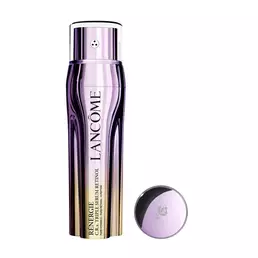


Rénergie C.R.x. Triple Serum Retinol
Reduce Visible Wrinkles & Firms
Rénergie Collagen+ Lift-Xtend Cream
Visibly Lift & Tighten
Rénergie H.P.N. 300-Peptide Cream
Reduce Sagging & Wrinkles


The Dos and Don'ts of Layering for Visibly Firm, Lifted Skin
DO Layer Thinnest to Thickest
To ensure every ingredient reaches its target, always apply water-based serums first, followed by oil-based serums, and finally, creams.
DO Use Peptides Twice Daily
Unlike retinol or vitamin C, peptides are highly stable and non-irritating. Their hydrating and skin-conditioning benefits make them well-suited to consistent twice-daily use for a more comfortable, supported complexion.
DON'T Skip the Neck and Chest
The skin on your neck and décolletage has fewer oil glands and is much thinner than facial skin, meaning it loses collagen twice as fast. Remember to apply your skincare all the way down to your collarbone.
DON'T Use Retinol in the Daytime
Retinol may increase the skin's sensitivity to UV exposure (photosensitivity), which is why it is recommended for nighttime use only. Applying retinol during the day without diligent SPF protection may contribute to the appearance of accelerated skin aging. If you use retinol at night, daily broad-spectrum sunscreen use the following morning is essential.
Timeline for Visible Results
Visible improvement takes time and consistency (commitment is key!). With regular, committed use of your collagen-supporting routine, here is what you may begin to notice:
Week 2
You may begin to notice an improved visible glow and surface hydration, reflecting the hydrating and antioxidant benefits of Peptides and Vitamin C.
Week 6
Fine lines may begin to look softer as the effects of consistent retinol and peptide use start to become more visible at the skin's surface.
Months 3 to 6
With continued, consistent use, three to six months is when skin may appear visibly firmer and more defined—visible results that are often associated with a long-term commitment to a well-structured skincare routine for visibly firm, lifted skin.
Commitment Is Your Key to Success
While we can’t stop the natural decline of collagen, we can take steps to intercept the visible signs of collagen loss. By protecting your skin in the morning and supporting it at night, you aren't just applying lotions and potions—you are syncing your routines to skin’s natural 24-hour rhythms to support the appearance of firmer, more lifted-looking skin over time. Protecting your skin in the morning and nourishing it at night is more than a routine—it's a daily investment in how your skin looks and feels.
Consistency is the most powerful component of your skincare routine addressing visible signs of collagen loss. Start your routine today and your skin will thank you later.
Frequently Asked Questions
References:
Fisher GJ, et al. "Molecular mechanisms of photoaging and its prevention by retinoic acid." Archives of Dermatology. 1998;134(4):483-491.
Fitzpatrick RE, Rostan EF. "Double-blind, half-face study comparing topical vitamin C and vehicle for rejuvenation of photodamage." Dermatologic Surgery. 2002;28(3):231-236.
Ganceviciene R, et al. "Skin anti-aging strategies." Dermato-Endocrinology. 2012;4(3):308-319.
Gorouhi F, Maibach HI. "Role of topical peptides in preventing or treating aged skin." International Journal of Cosmetic Science. 2009;31(5):327-345.
Hughes MC, et al. "Sunscreen and prevention of skin aging: a randomized trial." Annals of Internal Medicine. 2013;158(11):781-790.
Kafi R, et al. "Improvement of naturally aged skin with topical vitamin A (retinol)." Archives of Dermatology. 2007;143(5):606-612.
Pinnell SR. "Regulation of collagen biosynthesis by ascorbic acid: a review." Yale Journal of Biology and Medicine. 1985;58(6):553–559.
Schagen SK. "Topical Peptide Treatments with Effective Anti-Aging Results." Cosmetics. 2017;4(2):16.
Shao Y, et al. "Molecular basis of retinol anti-aging properties in naturally aged human skin in vivo." International Journal of Cosmetic Science. 2017;39(1):56-65.
